1. Safety talk
The team explains how to avoid sticks, what to do if someone is exposed and who should stay out of the area.
Glendora, NJ · Camden County
Needles near a play area, a business entrance or a rental in Glendora are a risk until they are gone. Call (877) 812-4220 for pickup, containment and disposal as regulated medical waste.
If anyone is in danger, call 911 first. For a suicide crisis, call or text 988.
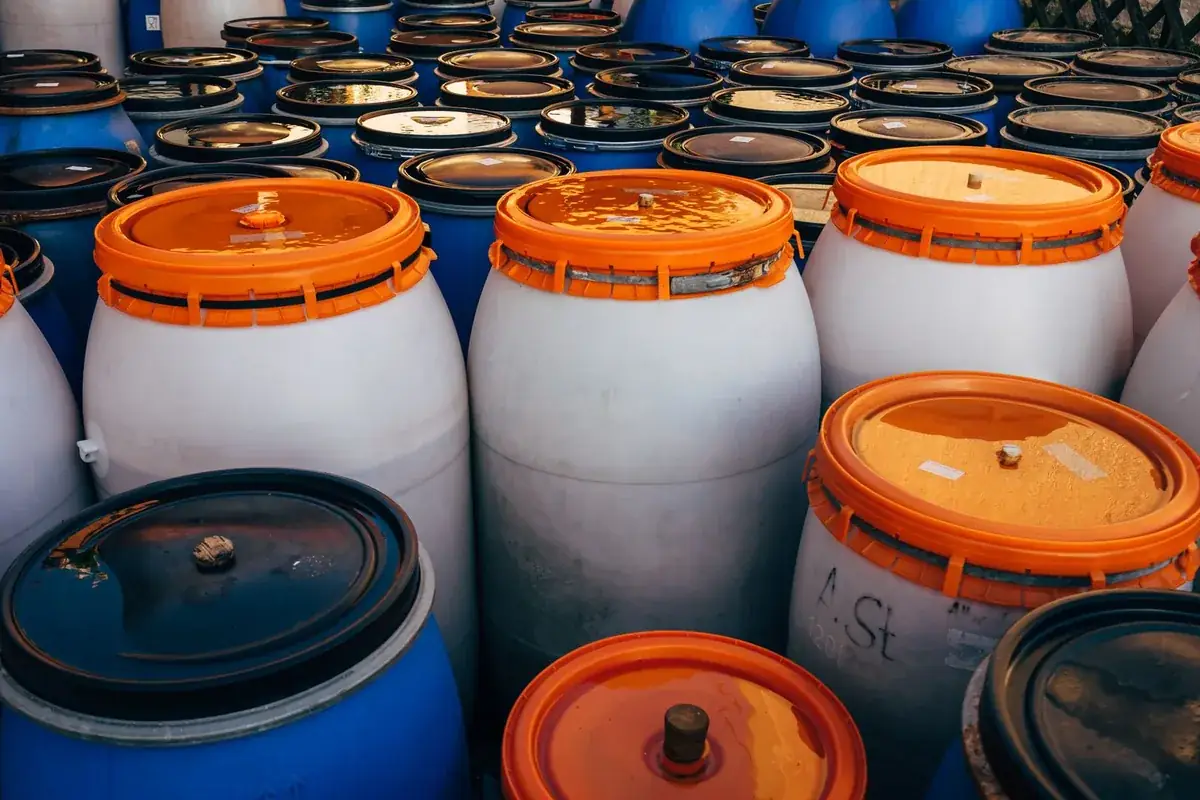
Found needle cleanup is a short phrase for an important job. A crew stays alert for hidden sharps, picks them up with long tools, places them in secure containers and clears the area for use again.
Need careful syringe removal in Glendora or nearby communities in Camden County? Call Glendora Biohazard Cleanup Help. Cleanup technicians follow the OSHA Bloodborne Pathogens Standard, 29 CFR 1910.1030, when sharps are involved, so you do not have to touch them.
Most homes in Glendora are owner occupied, with renters at about 25% of households, so many needle calls come from families clearing a home or yard. If anyone is stuck by a needle, the nearest emergency room is Jefferson Stratford Hospital in Stratford, about 3 miles from Glendora. Call 911 in an emergency.
A typical needle & sharps cleanup job includes:
The team explains how to avoid sticks, what to do if someone is exposed and who should stay out of the area.
The whole property is searched, section by section, until the crew is confident every sharp is found.
Needles, syringes and any other sharps are gathered and sealed as they are found.
The room is cleaned, odors are handled if needed, and the owner gets a summary of the work.
The cost of needle & sharps cleanup in Glendora, NJ depends on the amount of material, how it is packed and how it is hauled.
The number of sharps matters because each needle must be found, lifted and sealed, and large amounts mean more containers and more disposal.
| Type of job | Typical range |
|---|
Published ranges only (); every needle & sharps cleanup job in Glendora is priced after an on-site look. Price drivers include number of items, where they are found, whether a sweep of a large area is needed, waste disposal. Questions? Call (877) 812-4220.
Loose needles should not go in household trash, because they can stab sanitation workers. Rules for small amounts of household sharps vary by city and county. The local health department can say what is allowed, and a cleanup team can take larger amounts.
Yes. A property owner can call a cleanup team to search a unit or building. Lease terms and local law decide who pays, and a landlord, an attorney or a tenant rights group can say. Ask the team for a record of what was found and removed.
A small yard or single room can be quick, while a building or large lot takes longer. Clutter, hidden spots and the amount of sharps affect the time. A cleanup team can give a realistic idea once it hears the details.
Stay back and keep children and pets away. Do not pick it up. Note where it is and call the local health department or a cleanup team. If anyone is stuck or cut, wash with soap and water, get medical care, and call 911 in an emergency.
It is a rigid, puncture-resistant box with a locking lid, made to hold needles, syringes, lancets and blades. Cleanup teams use them to seal sharps for transport. Containers should not be overfilled or opened again once locked.
A local biohazard cleanup team can search the area and remove needles and other sharps. Some cities and health departments also help with found needles on public land. For a single needle outdoors, the health department is a good first call, and for anything bigger, a cleanup team.
Ask about discreet arrival in an unmarked vehicle if privacy matters.
Call (877) 812-4220